Vietnam Itinerary 10 Days: The Perfect Travel Plan for First-Time Visitors
Day 1 – Hanoi
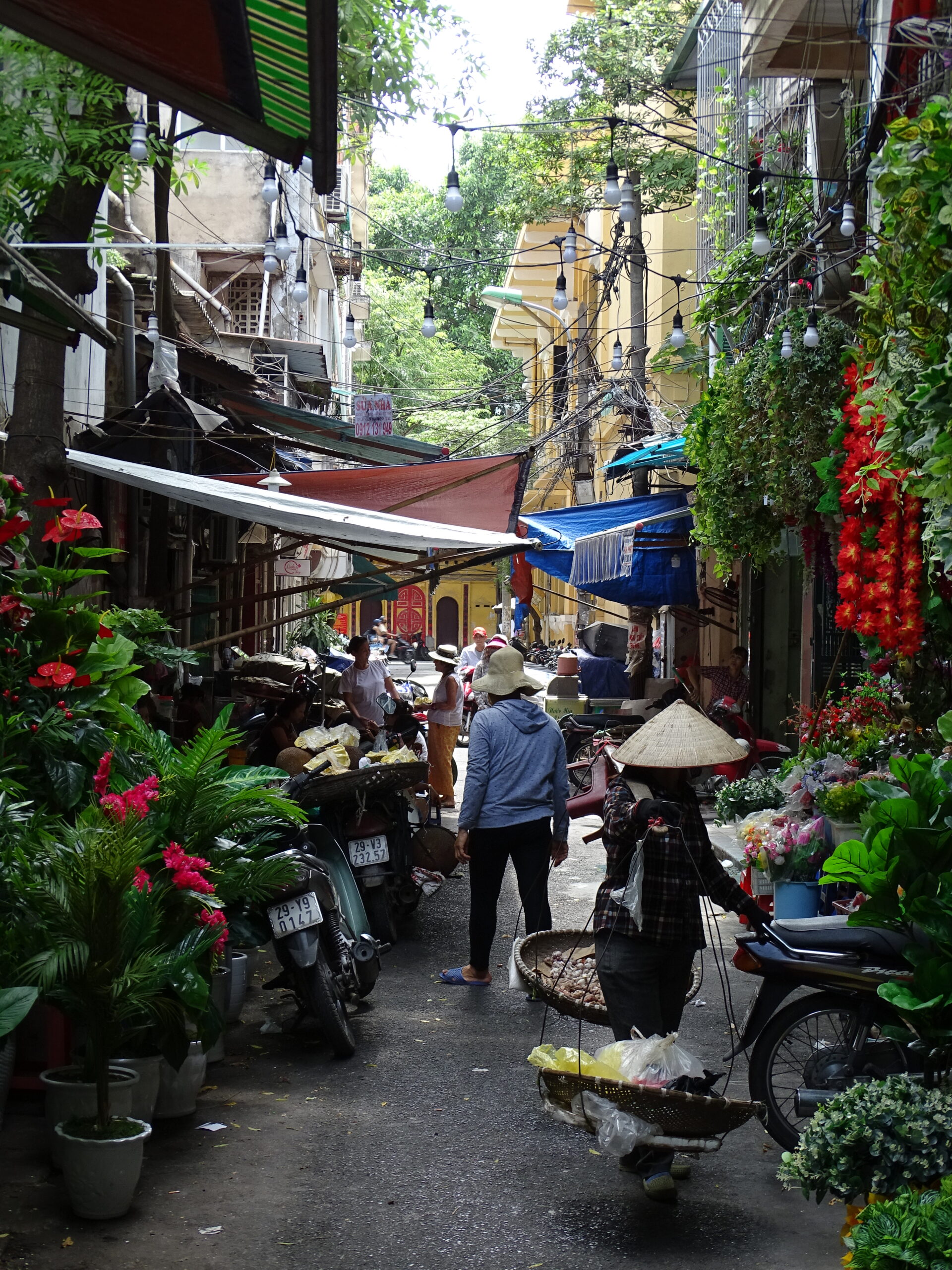
I like starting in Hanoi because the city immediately teaches you how Vietnam moves. My first-day rule is simple: do not over-schedule it. Drop your bags, walk the Old Quarter, drink coffee slowly, and let the traffic, old shopfronts, colonial facades, and street food do the work. Hanoi’s Old Quarter dates back centuries, and that first unhurried afternoon usually does more for the trip than a long checklist of attractions.
Day 2 – Slow culture in Hanoi
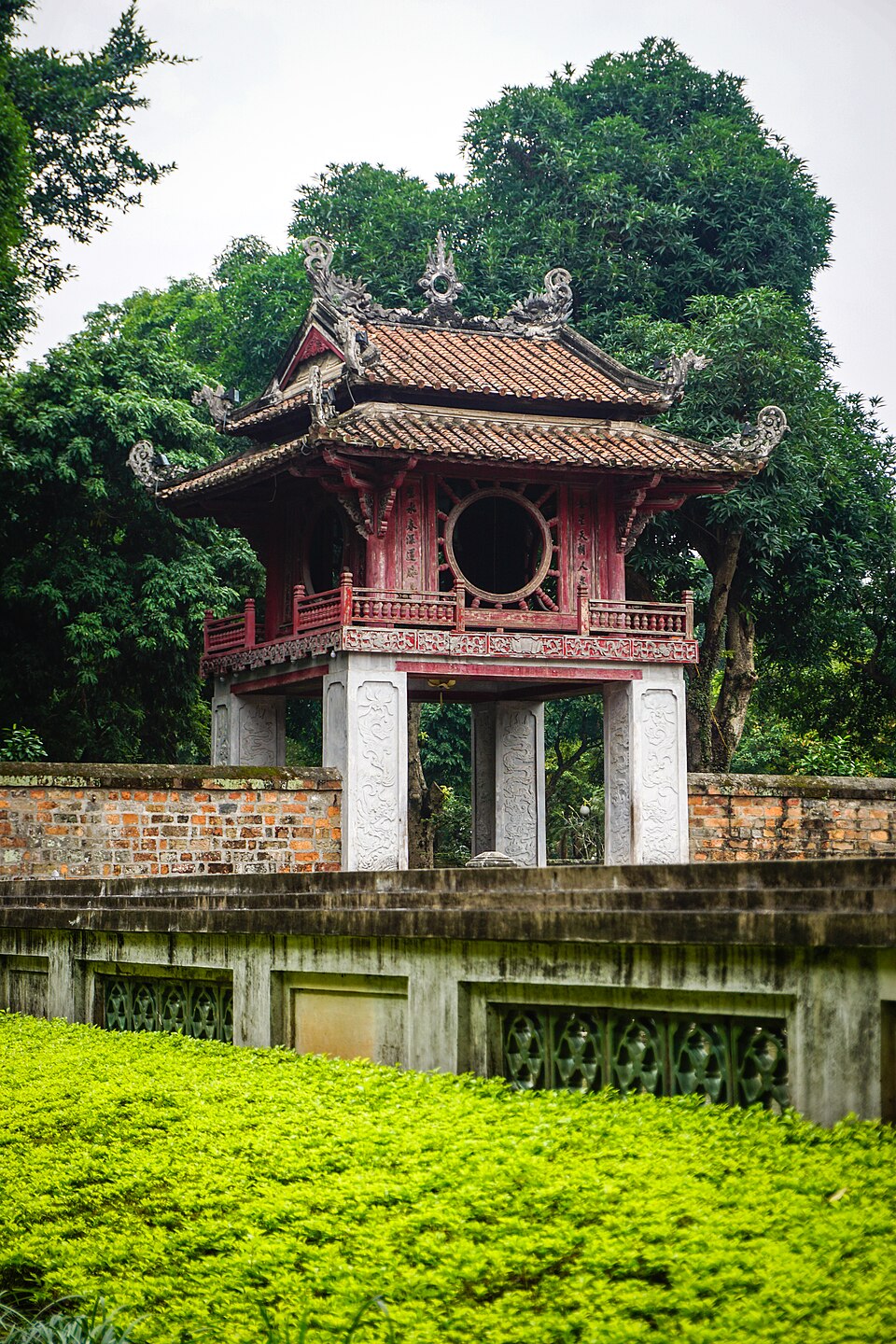
On the second day, I would keep Hanoi cultural rather than frantic. A morning around Hoan Kiem Lake followed by the Temple of Literature works much better than trying to conquer the whole city in one run. The lake is wrapped in local legend, and the Temple of Literature—built in 1070 and later home to Hanoi’s first university—adds history without making the day feel heavy
Day 3 – Ha Long Bay
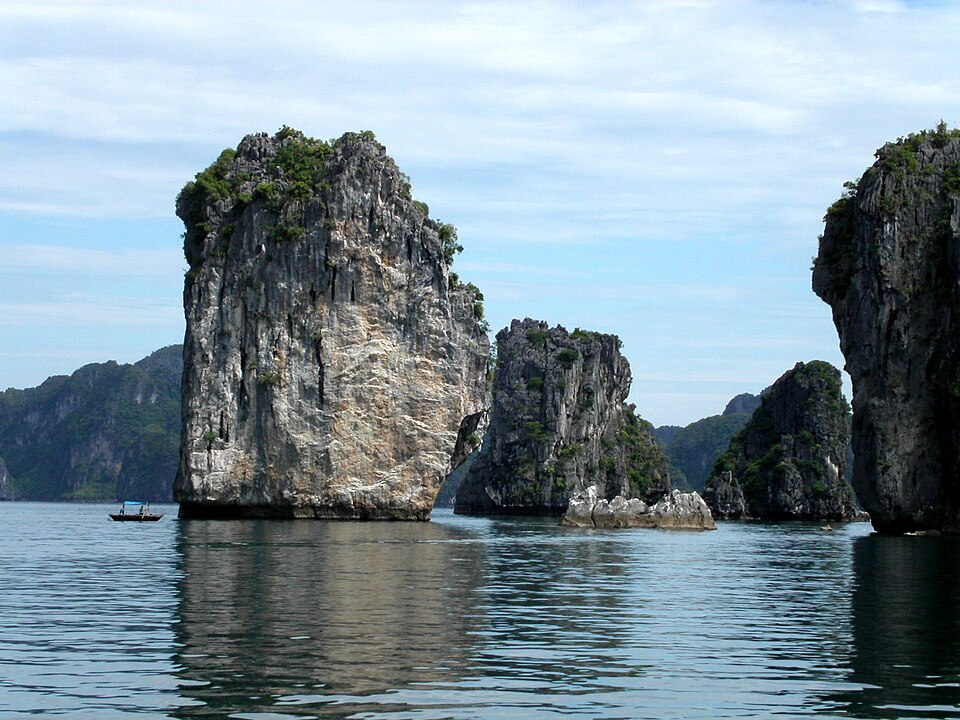
For Day 3, I would leave Hanoi early for Ha Long Bay and spend the night on the water if the budget allows. Ha Long is the kind of place that rewards slowness: cruising at sunset, waking up among karsts, ducking into caves, and seeing why official tourism guides treat it as one of Vietnam’s defining experiences. UNESCO describes the wider Ha Long Bay–Cat Ba archipelago as a spectacular seascape of limestone islands and pillars rising from the sea.
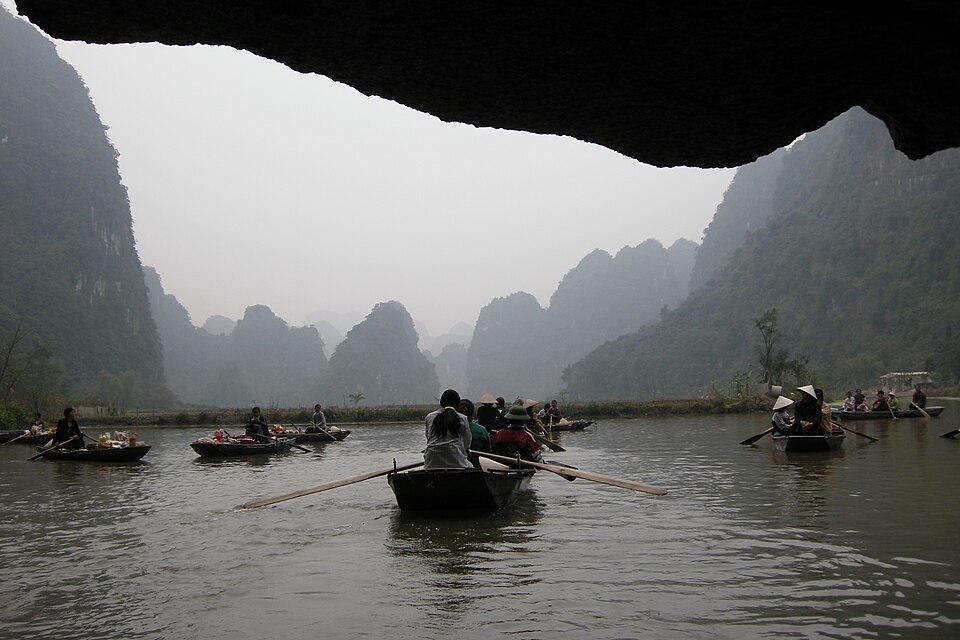
After Ha Long, I like adding Ninh Binh because it feels calmer and greener. Take a sampan through Trang An or Tam Coc, then cycle out toward the rice fields and homestays instead of staying in transit mode. Vietnam Tourism highlights the foot-rowed sampan routes and easy cycling around Tam Coc, while UNESCO describes Trang An as a dramatic karst landscape of valleys, cliffs, and long human history.
Day 5 – Hue
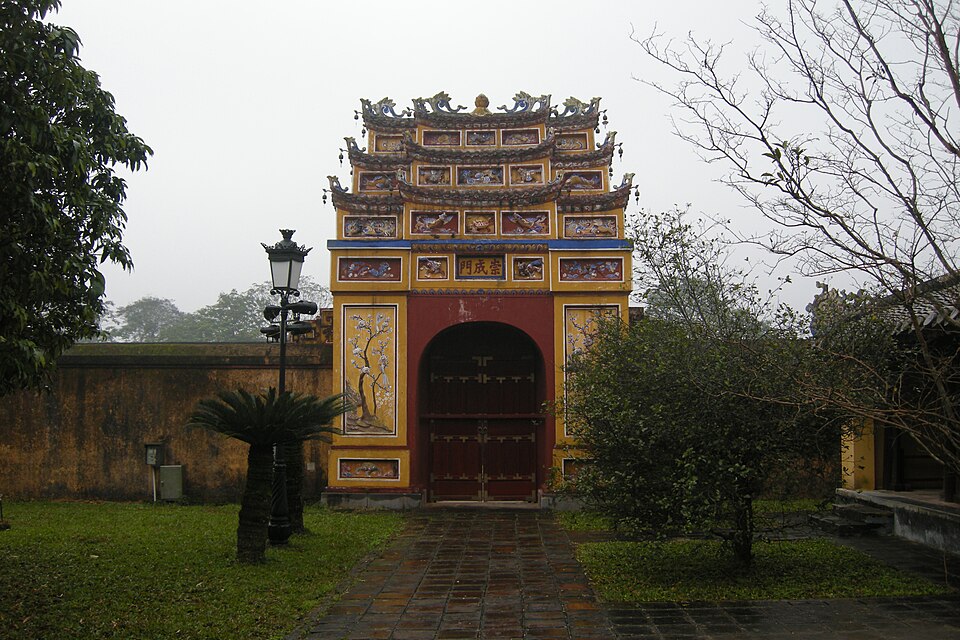
Then I would head to Hue for a full day of imperial Vietnam. Hue changes the mood of the trip: quieter streets, slower evenings, and monuments that ask you to look more carefully. The Citadel and the royal tombs are the priorities, and UNESCO notes that Hue became the capital of unified Vietnam in 1802, with the Perfume River shaping the setting of the old imperial center.
Day 6 – Hoi An at night
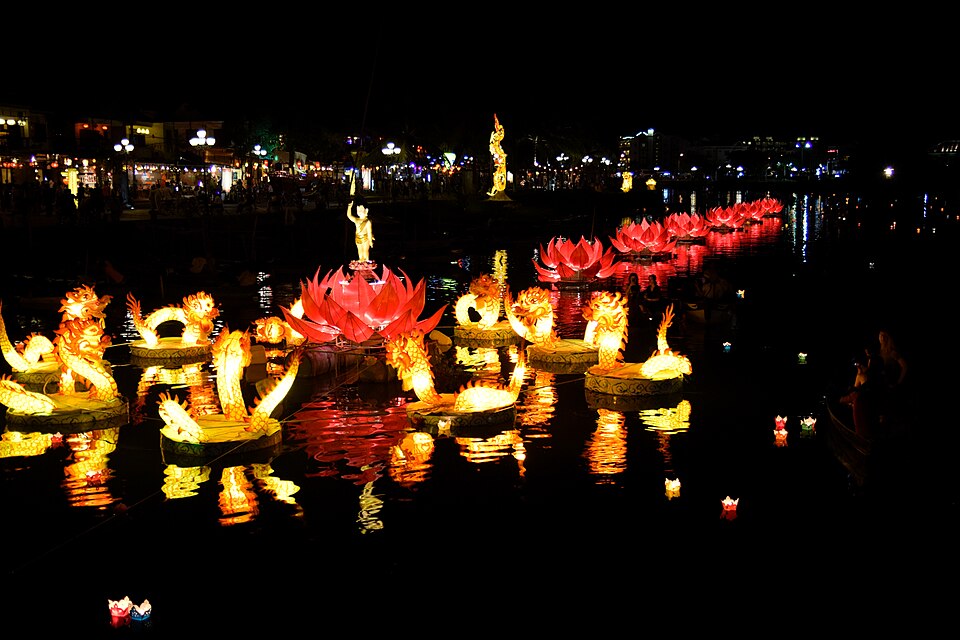
From Hue, Hoi An feels like a reward. Do not treat it like a quick photo stop. Walk the Ancient Town near sunset, cross the old bridge, eat local noodles, and stay out after dark when the lanterns turn the riverfront magical. UNESCO describes Hoi An as an exceptionally well-preserved trading port from the 15th to 19th centuries, and Vietnam Tourism still recommends the evening stroll as one of the essential experiences there.
Day 7 – Easy day in Hoi An
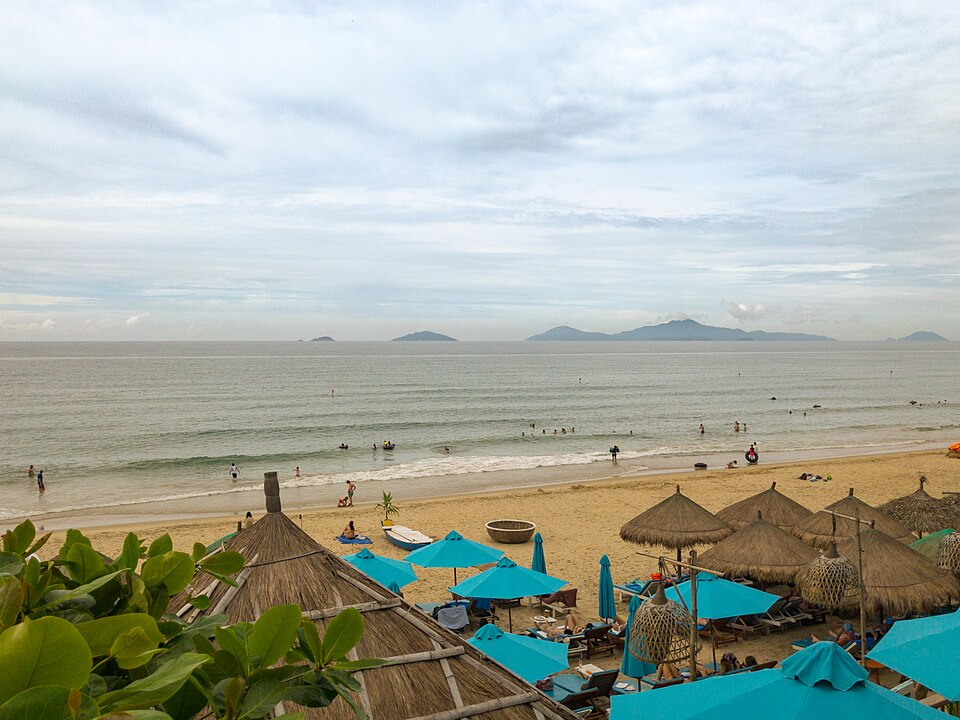
I would keep one easy day in Hoi An instead of rushing south immediately. This is the perfect moment for a countryside bike ride, a cooking class, café-hopping, or a lazy stretch at An Bang Beach. What makes Hoi An special is that the old town, farms, river life, and beach all sit close enough together that the day can stay flexible and unforced.
Day 8 – Ho Chi Minh City
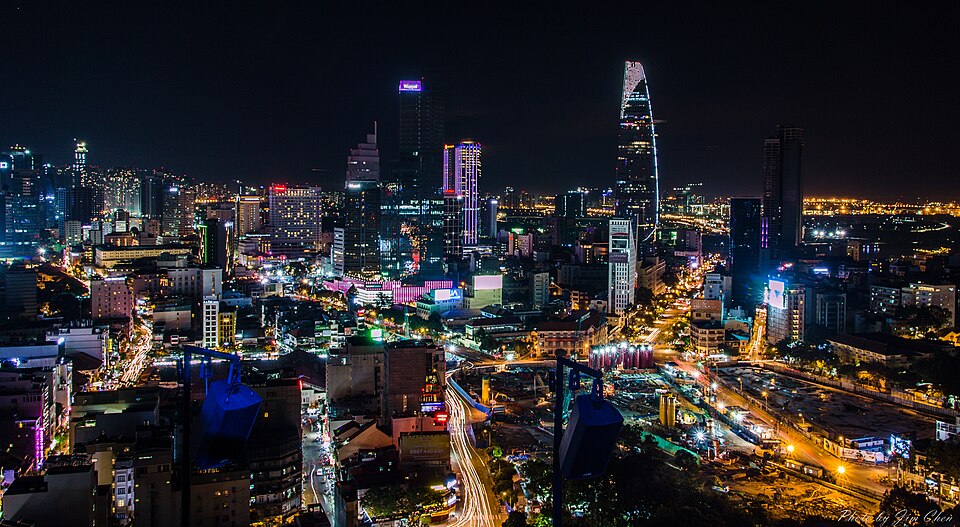
Next, fly south and let Ho Chi Minh City wake you back up. After central Vietnam, the city feels louder, faster, and more vertical, but that contrast is part of the pleasure. Vietnam Tourism describes HCMC as the economic heart of the country and a compact meeting point of old and new Vietnam, which is exactly why I like giving it a full day for landmarks, street food, and an evening tour.
Day 9 – Cu Chi Tunnels
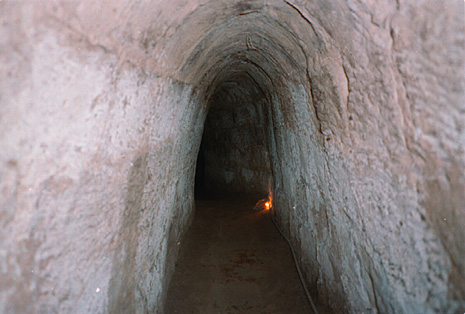
I would use Day 9 for history. The Cu Chi Tunnels are not a light visit, but they add context that changes how you read the rest of the country. Vietnam Tourism notes that the Cu Chi District sits on the northwestern fringes of greater Ho Chi Minh City and preserves a tunnel network of more than 250 kilometres used during the war. Go in the morning, then come back to the city and take the evening slowly.
Day 10 – Mekong Delta
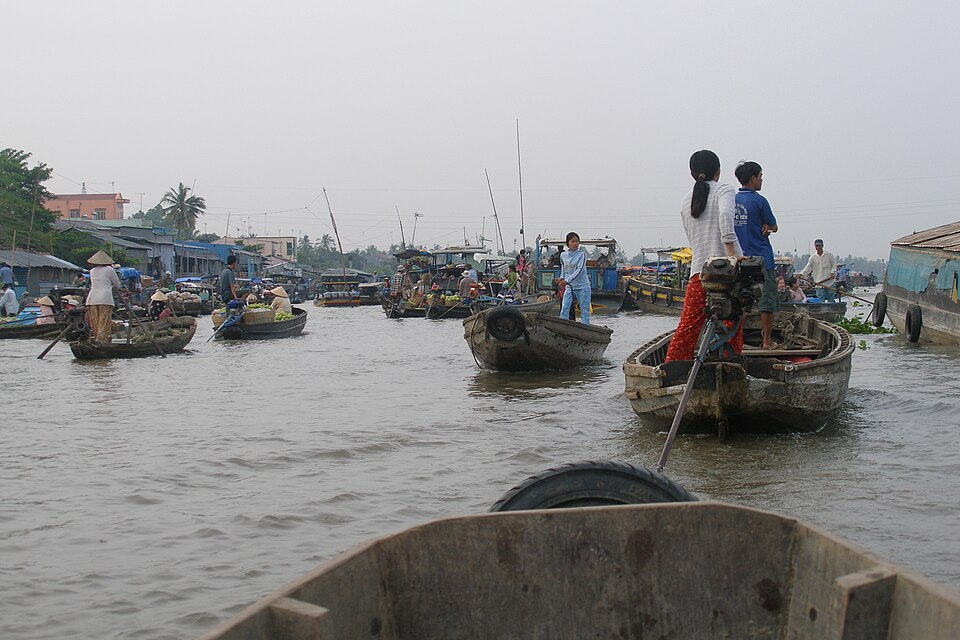
For the last day, I prefer the Mekong Delta over squeezing in more city sights. It gives the itinerary a softer landing: boat rides, coconut groves, fruit, riverside houses, and a pace that feels completely different from Saigon. Official Vietnam Tourism guides describe the Delta as a place of mangrove-lined waterways, cycling lanes, and countryside excursions that can be reached on a short day trip from Ho Chi Minh City, with some Ben Tre routes taking about two hours by road