
How to Get Around in Vietnam: A Complete Transportation Guide for Travelers
Planning a trip to Vietnam is exciting, but many first-time visitors quickly run into one practical question: how do you get around the country efficiently?
Vietnam’s geography is incredibly diverse. The country stretches over a long distance from north to south, with major cities, mountain passes, coastal roads, rivers, islands, and vast delta regions. At first glance, transportation in Vietnam can seem complicated. The good news is that travelers have plenty of options, and each one offers a different way to experience the country.
Whether you are traveling between major cities, exploring urban neighborhoods, riding through scenic landscapes, or cruising along rivers and bays, Vietnam has a transport option to match your style and budget.
Long-Distance Travel in Vietnam: Flights and Trains
When you need to travel hundreds of kilometers, comfort and reliability become the priority. In Vietnam, the two most popular options for long-distance travel are domestic flights and trains.
Domestic Flights: The Fastest Way to Travel
For travelers who want to save time, domestic flights are usually the best choice. Flying is the quickest way to move between major destinations such as Hanoi, Da Nang, and Ho Chi Minh City. Many routes take less than two hours, making flights especially convenient for those with limited time or packed itineraries.
Another advantage is affordability. If you book in advance, domestic airfares in Vietnam can be surprisingly reasonable, especially compared with the time saved. This makes flying an excellent option for travelers who want to cover more ground in a shorter period.
Domestic flights are ideal for:
-
travelers on tight schedules
-
families who want convenience
-
visitors planning to explore multiple regions in one trip
Trains in Vietnam: A Scenic and Relaxed Journey
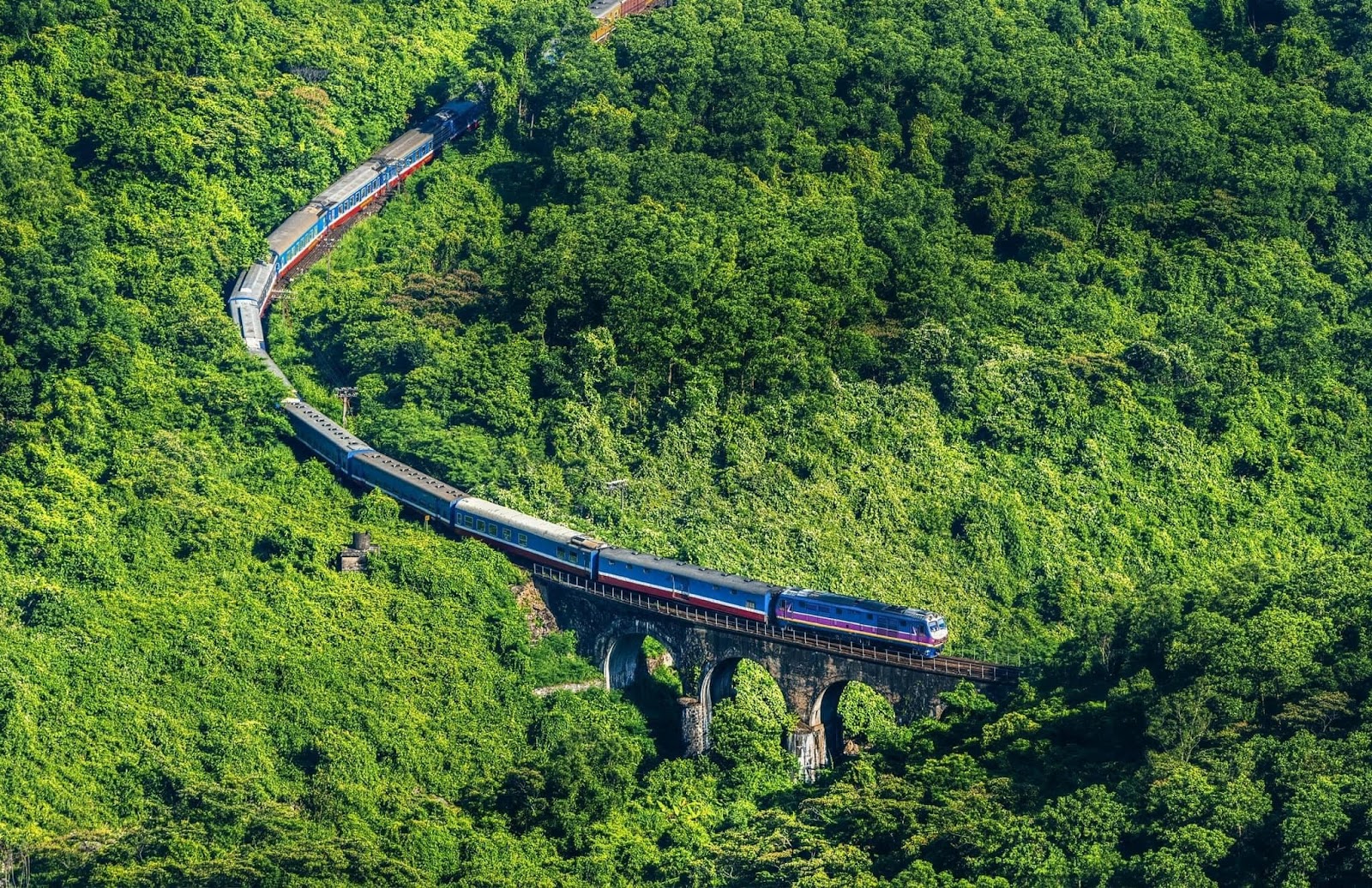
If you prefer to enjoy the journey as much as the destination, train travel in Vietnam is a memorable experience. The country’s railway network, especially the famous Reunification Express, connects the north and south while passing through coastal stretches, mountain scenery, and peaceful rural landscapes.
Train travel is slower than flying, but that is part of its appeal. It offers a chance to sit back, watch the countryside change outside the window, and experience Vietnam at a gentler pace. Some of the most beautiful sections of the journey include the route through central Vietnam, where the scenery becomes especially dramatic near the Hai Van Pass.
Trains are best for:
-
travelers who enjoy scenic routes
-
those looking for a more relaxed pace
-
visitors interested in a classic overland travel experience
Getting Around Vietnamese Cities: Taxis, Ride-Hailing Apps, and Buses
Once you arrive in a city, moving around becomes much easier. Vietnam’s urban transport system offers practical choices for different travel styles and budgets.
Taxis and Ride-Hailing Apps: The Easiest Option for Most Travelers
For many visitors, taxis and ride-hailing apps are the most convenient way to get around. Services such as Grab are widely used in major cities and are especially helpful for first-time travelers who do not want to worry about directions, public transport routes, or language barriers.
These options are popular because they are:
-
easy to use
-
widely available
-
relatively affordable
-
convenient for short and medium-distance trips
Ride-hailing apps are often the preferred choice because prices are transparent and routes are tracked through the app, which can make the experience smoother for international visitors.
City Buses: A Budget-Friendly Local Experience
For travelers who want to save money and see daily life more closely, city buses are another good option. In many Vietnamese cities, buses connect a large number of districts at very low fares. They are practical for budget-conscious travelers and those who enjoy observing how locals move around the city.
While buses are economical, they may be less convenient for visitors unfamiliar with the routes or schedules. Still, for confident travelers, they can be an interesting and authentic way to explore.
City buses are best for:
-
budget travelers
-
independent travelers
-
visitors who enjoy local experiences
Cyclo: More Cultural Experience Than Practical Transport
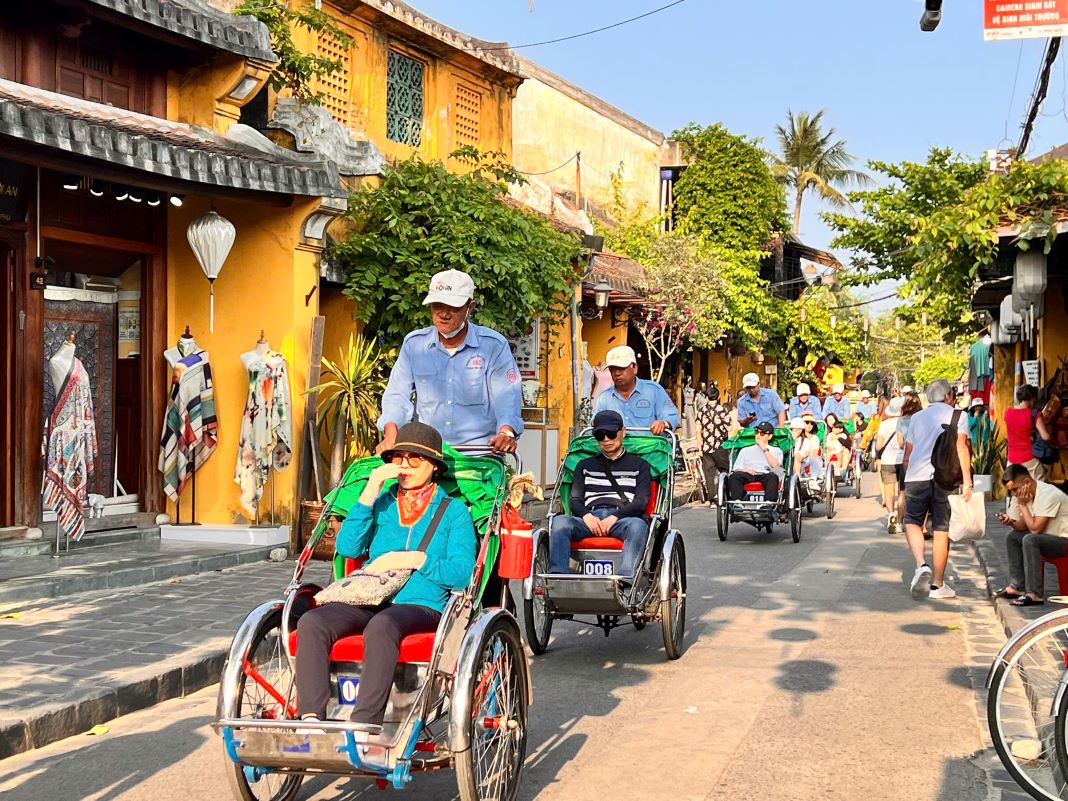
In some tourist areas, you may also come across the cyclo, a traditional three-wheeled bicycle taxi. While it is not the most efficient way to get from place to place, it remains a charming and nostalgic experience, especially in historic districts.
A cyclo ride is less about convenience and more about atmosphere. It allows visitors to slow down, take in the surroundings, and enjoy a more traditional side of urban Vietnam.
Traveling by Motorbike in Vietnam: Freedom and Flexibility
Few things are as closely associated with Vietnam as motorbikes. They are an essential part of everyday life and one of the most recognizable features of the country’s streets.
For adventurous travelers, renting a scooter or motorbike can be one of the most exciting ways to explore. It offers unmatched freedom, allowing you to discover hidden alleys, coastal roads, countryside routes, and remote viewpoints at your own pace.
Motorbike travel is especially popular in scenic regions, where the journey itself becomes a highlight. Routes such as the Ha Giang Loop are famous for dramatic landscapes and unforgettable road-trip experiences.
Is Renting a Motorbike in Vietnam Right for You?
While motorbike travel can be thrilling, it is not for everyone. Traffic in major cities can feel intense, especially for inexperienced riders. For that reason, travelers who are less confident should avoid starting in the busiest urban areas.
A better approach is to ride in calmer destinations such as Da Lat or Phu Quoc, where the roads are generally more manageable. Safety should always come first. Wearing a helmet, following local traffic laws, and riding within your limits are essential.
Motorbikes are best for:
-
experienced and confident riders
-
travelers who want flexibility
-
visitors exploring quieter destinations or scenic routes
Water Transport in Vietnam: Cruises, Ferries, and River Journeys
Vietnam is not only a country of roads and railways. It is also shaped by rivers, bays, islands, and deltas, which makes water transport an important part of the travel experience.
Cruises and Boats in Scenic Destinations
In destinations such as Ha Long Bay, Lan Ha Bay, and Ninh Binh, boats are not just transportation. They are part of the attraction itself. Cruising past limestone cliffs, gliding across calm waters, or floating through rice fields creates some of the most iconic travel moments in Vietnam.
These journeys offer a slower, more peaceful perspective and are perfect for travelers who want to enjoy nature and scenery rather than simply reach a destination.
Ferries and River Transport in the Mekong Delta
In the Mekong Delta, water transport is deeply connected to daily life. Ferries, wooden boats, and river taxis connect islands, floating markets, and riverside communities in ways that roads often cannot.
For visitors, this is one of the most distinctive travel experiences in Vietnam. It reveals a side of the country that feels timeless, immersive, and closely tied to local traditions.
Water transport is best for:
-
travelers visiting bays and river regions
-
those seeking scenic experiences
-
visitors interested in local culture and slower travel
How to Choose the Best Transport Option in Vietnam
The right transportation in Vietnam depends on your route, travel goals, budget, and comfort level.
Choose flights if you want speed and efficiency for long-distance travel.
Choose trains if you want scenic views and a more relaxed journey.
Choose taxis or ride-hailing apps for convenience in major cities.
Choose buses if you want the cheapest way to travel locally.
Choose motorbikes if you want freedom and feel confident riding.
Choose boats and ferries when exploring bays, islands, and river regions.
Final Thoughts
Getting around Vietnam may seem overwhelming at first, but it quickly becomes manageable once you understand your options. From fast domestic flights and scenic train rides to city taxis, adventurous motorbike trips, and unforgettable boat journeys, each form of transport reveals a different side of the country.
The best way to travel in Vietnam is not the same for everyone. Some travelers value speed, others want comfort, and many are looking for experience as much as efficiency. The good news is that Vietnam offers all of these.
With the right transportation choices, moving through Vietnam becomes more than just a practical necessity. It becomes part of the adventure itself.