
Can I Use Credit or Debit Cards in Vietnam? Fees, Acceptance, and Practical Tips
If you are planning a trip to Vietnam, one of the most common money questions is simple: Can I use my credit or debit card there, and how much will it cost?
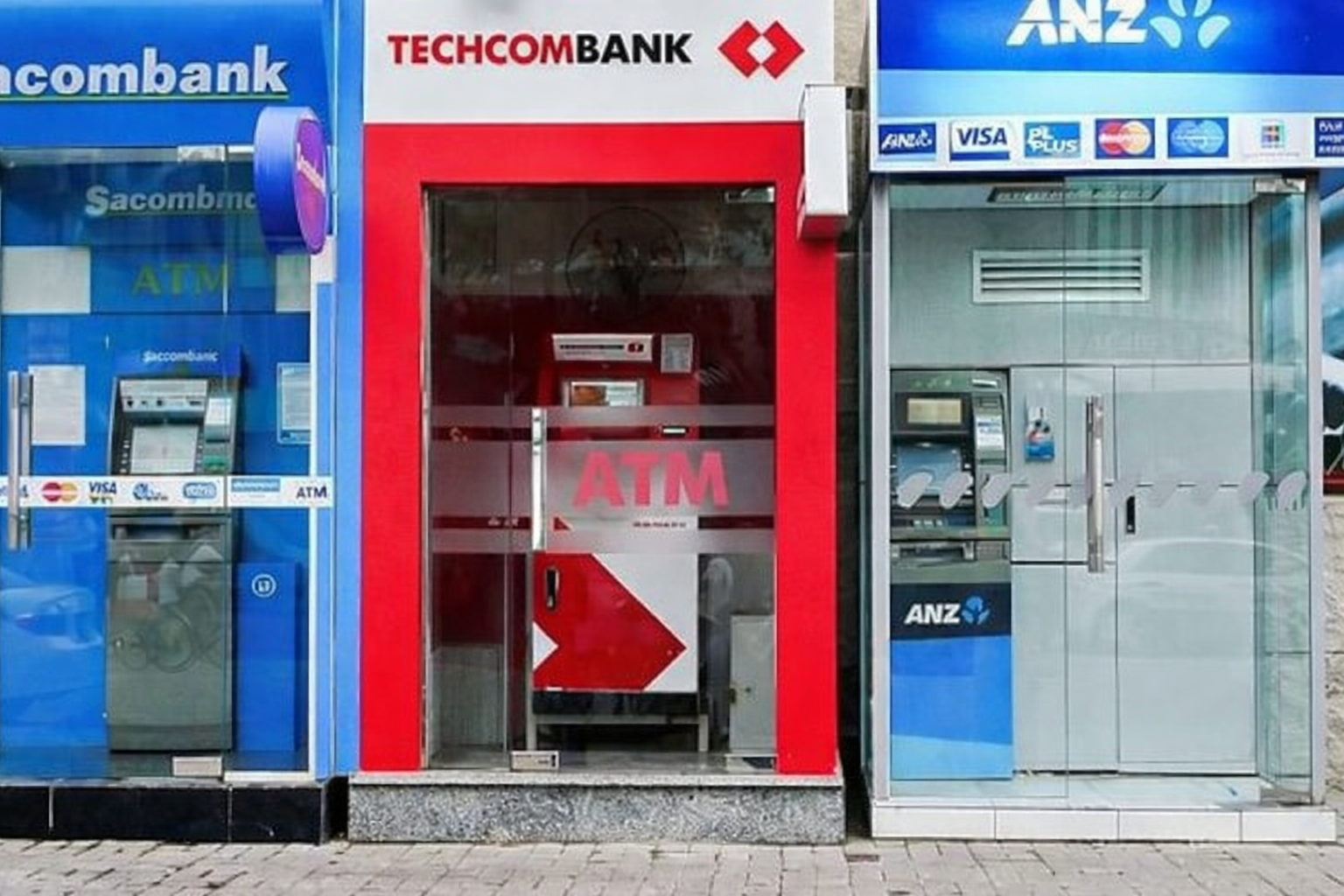
The good news is that using cards in Vietnam is generally easy, especially in major cities and established tourist areas. International travelers can usually pay by card at hotels, shopping malls, larger restaurants, supermarkets, convenience stores, and many travel-related businesses. Travel advisories also note that credit cards are widely accepted in Vietnam’s major cities, and ATMs are widespread in places such as Hanoi, Ho Chi Minh City, and Da Nang.
That said, Vietnam is still a country where cash remains important, particularly for small shops, street food vendors, local markets, family-run cafés, and transport in less touristy areas. The most practical approach is not to choose between card and cash, but to carry both.
Is It Easy to Use Cards in Vietnam?
In most mainstream travel situations, yes. Card use in Vietnam is straightforward for many visitors, especially if you have a Visa or Mastercard. International debit cards can be used at electronic payment terminals and at ATMs connected to major card networks, while international credit cards are commonly accepted by larger merchants. HSBC Vietnam, for example, states that its debit cards can be used at card terminals and ATM networks linked to Visa.
In practice, card payments are easiest in:
-
hotels and resorts
-
chain cafés and restaurants
-
modern retail stores and shopping centers
-
airline, train, and tour bookings
-
many spas, clinics, and higher-end service providers
Acceptance becomes less consistent in:
-
street food stalls
-
wet markets
-
independent local shops
-
rural towns and remote areas
-
some budget guesthouses and small family businesses
So the clearest answer is this: yes, using cards in Vietnam is easy for many travelers, but cash is still necessary for everyday small purchases.
Credit Card or Debit Card: Which Is Better in Vietnam?
Both work, but they are useful in slightly different ways.
A credit card is often best for hotels, flights, nicer restaurants, and larger purchases. It can also offer better fraud protection depending on your issuer.
A debit card is useful for both payments and ATM withdrawals. If your card is connected to an international network such as Visa or Mastercard, you can often use it for purchases and to withdraw Vietnamese dong from ATMs.
For most travelers, the best setup is:
-
one primary card for purchases
-
one backup card
-
some Vietnamese cash for small expenses
What Fees Can You Expect When Using Cards in Vietnam?
This is the part travelers should understand clearly. In Vietnam, the difficulty is usually not whether your card will work, but what fees your bank, card issuer, ATM operator, or merchant may charge.
1. Foreign Transaction Fee
This is one of the most common fees. Many banks charge a foreign transaction fee when you use your card outside your home country or in a foreign currency. Visa’s rules require issuers to disclose these fees when international transactions or currency conversion apply, but the actual amount depends on your bank.
In practice, many issuers charge around 1% to 3%, though some travel-friendly cards charge 0%. Mastercard-linked card offers in some markets explicitly advertise no foreign transaction fees, which shows that this fee depends on the issuer rather than Vietnam itself.
2. Currency Conversion Costs
If your card account is not in Vietnamese dong, your purchase will usually be converted into your billing currency. HSBC Vietnam notes that foreign-currency card transactions are converted into VND before being debited to the account in the relevant card setup.
This does not always appear as a separate line item, but it can still affect the total you pay through the exchange rate used.
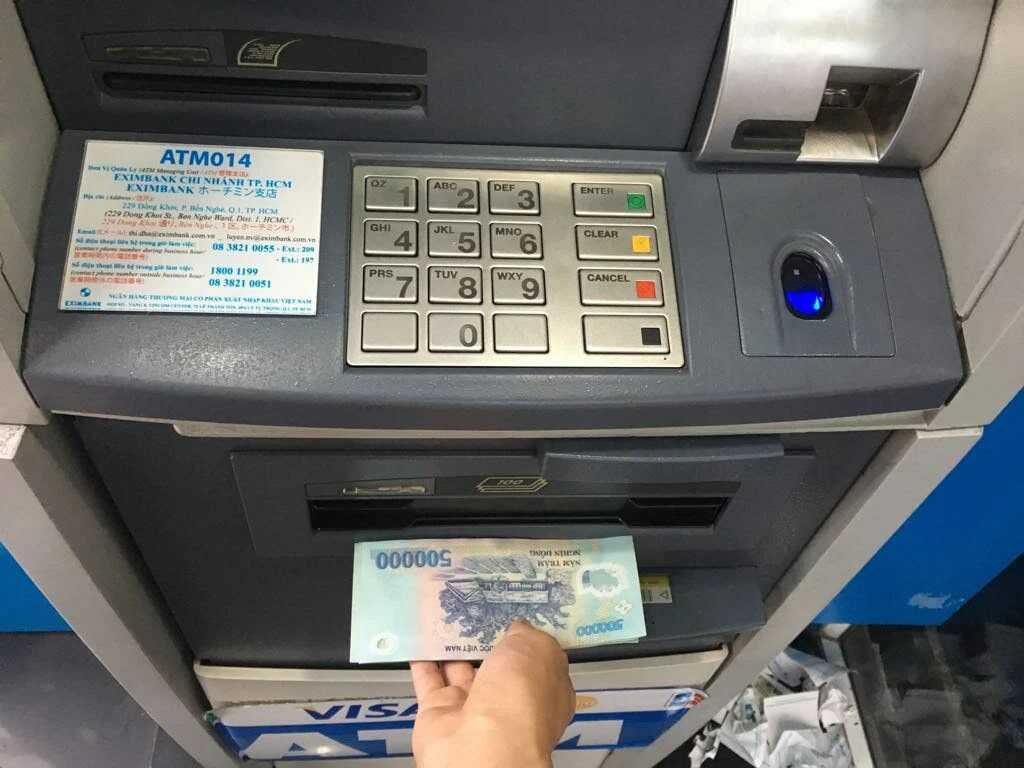
3. ATM Withdrawal Fee
If you use a debit card to withdraw cash in Vietnam, you may pay:
-
a fee from your own bank
-
a foreign ATM fee from your issuer
-
a fee from the Vietnamese ATM operator
These charges vary by card and bank. Some banks advertise free withdrawals on certain domestic or network ATMs in Vietnam, but that does not mean all foreign travelers will pay nothing. HSBC Vietnam, for example, advertises free withdrawals on its own or Visa/Plus-linked ATMs for eligible HSBC debit card users in Vietnam, but that is product-specific.
Travel-focused fee guides also note that ATM operator fees and issuer fees can both apply abroad, and that Vietnamese ATMs often have transaction limits. One recent guide notes that many ATMs in Vietnam have withdrawal limits around 2,000,000 VND per transaction, though actual limits vary by bank and machine.
4. Merchant Surcharge
Some merchants may add a card payment surcharge, especially for smaller businesses, travel agencies, or places with thin margins. This is not universal, but it does happen. If a shop adds a surcharge, they should normally tell you before payment.
This means that while paying by card in Vietnam is easy, it is still worth checking:
-
whether there is a minimum spend
-
whether a surcharge applies
-
whether the final amount is shown in VND
5. Dynamic Currency Conversion (DCC)
This is one of the most avoidable extra costs.
When paying by card or withdrawing cash, you may be offered the option to pay in your home currency instead of Vietnamese dong. Visa explains that this is called Dynamic Currency Conversion, and it usually includes extra fees or a marked-up exchange rate. Visa’s guidance is clear: paying in the local currency generally lets Visa’s exchange rate apply instead of the merchant’s or ATM operator’s DCC rate.
So in Vietnam, the smarter option is usually:
Choose VND, not your home currency.
Where Will You Most Likely Need Cash?
Even if you rely on cards most of the time, cash is still useful for:
-
street food
-
taxis that do not use app payment
-
local markets
-
small entry tickets
-
small cafés and roadside shops
-
tips and minor daily spending
Many travelers find that Vietnam is easiest when they use cards for larger payments and cash for everyday local purchases.
Are ATMs Easy to Find in Vietnam?
Yes, in the main tourist centers they are. Travel guidance notes that ATMs are widespread in major cities such as Hanoi, Ho Chi Minh City, and Da Nang.
In smaller towns, ATMs may still be available, but you should not assume they will always be nearby, working, or compatible with every international card. It is wise to withdraw cash before heading to remote destinations or islands.
Is It Safe to Use Cards in Vietnam?
Generally yes, but normal precautions still matter. Official travel advice warns that card skimming can happen in Vietnam, just as it can in many countries.
Good habits include:
-
using ATMs at reputable banks or inside branches
-
checking card readers before use
-
avoiding letting your card out of sight
-
enabling transaction alerts
-
carrying a backup card
Practical Answer: Is Using a Card in Vietnam Easy?
Yes. For most international visitors, using a credit or debit card in Vietnam is easy and convenient, especially in cities and tourist-friendly businesses. You should have little trouble using a Visa or Mastercard for hotels, better restaurants, retail stores, and many travel services. ATMs are easy to find in major destinations, so accessing cash is also manageable.
The main thing to understand is not access, but fees. Your total cost may include:
-
foreign transaction fees from your bank
-
exchange-rate markups
-
ATM fees
-
occasional merchant surcharges
-
extra charges if you accept dynamic currency conversion
If you want the smoothest experience in Vietnam, the best strategy is simple:
bring at least one widely accepted international card, keep some cash in VND, and always choose local currency when paying.
Final Thoughts
Vietnam is a card-friendly destination in many parts of the country, and for most travelers, using credit or debit cards is straightforward. You do not need to carry all your money in cash, and in larger cities you can handle a significant part of your spending electronically.
Still, Vietnam works best when you stay flexible. Cards make travel easy, but cash keeps you prepared for local, everyday situations. Use both, understand the possible fees, and you will find managing money in Vietnam much simpler than many first-time visitors expect.